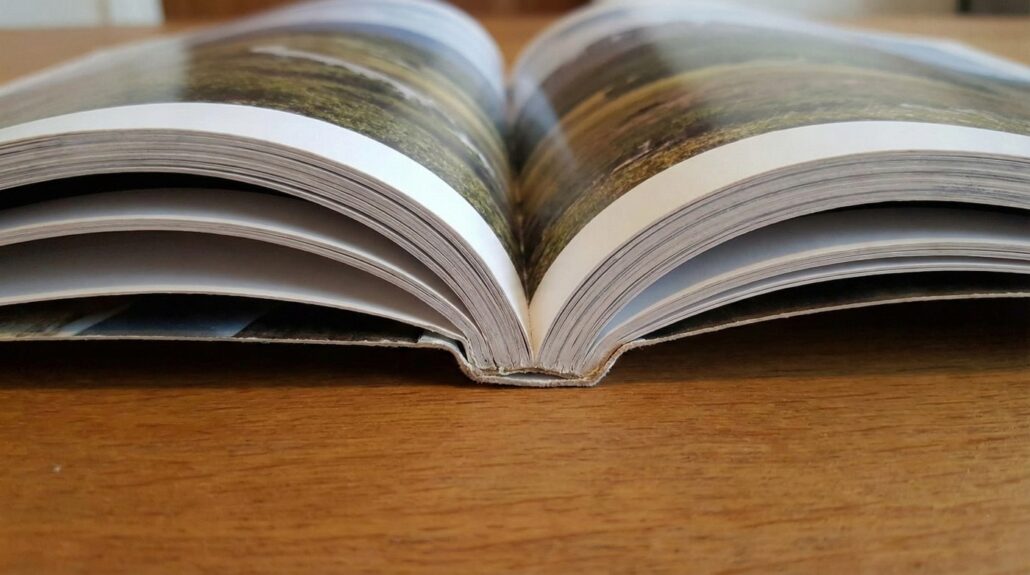
In the world of high-end publishing, the experience of your art begins long before the first page is turned. It begins with the physical ritual of opening the book. For artists, photographers, and galleries at ArtBook Printing, luxury packaging is not just an add-on—it is the final layer of your creative vision.
Custom packaging like slipcases and rigid boxes elevates a book from a standard publication to a collectible treasure. This guide explores the most prestigious packaging options available to help you create a “deluxe” experience for your collectors.
1. The Classic Slipcase: Protection Meets Prestige
A slipcase is a five-sided, high-quality board box that houses the book, leaving the spine exposed. It is the most popular choice for limited editions and coffee table books.
· The Protective Benefit: Slipcases safeguard the book from dust, sunlight (UV fading), and corner “bruising” during shipping or shelving.
· The Aesthetic Benefit: A slipcase allows the book to stand perfectly vertical on a shelf, preventing the “leaning” that can warp the boards over time.
· Design Tip: You can wrap your slipcase in the same material as your book—whether that’s a printed laminate, luxury cloth, or leatherette—to create a unified, museum-quality set.
2. Rigid Clamshell Boxes (Solander Boxes)
For the ultimate in luxury, the clamshell box (or Solander box) provides a fully enclosed environment. These are often used for museum-grade monographs or “Artist Editions.”
· The Unboxing Experience: A clamshell box opens like a book itself, revealing the volume nestled inside a custom-fit tray.
· Structural Integrity: These are typically built from 3mm thick greyboard, providing a massive, heavy-duty feel that screams “high-value.”
· Custom Inlays: Consider adding a velvet or foam insert to the interior tray to hold the book snugly, or even to house a small original print or certificate of authenticity.
3. Specialized Materials and Finishes
Luxury packaging is a tactile medium. To make your packaging stand out, we recommend exploring these premium finishes:
· Foil Stamping & Embossing: Add your logo or title in metallic gold, silver, or copper foil. For cloth-wrapped cases, foil stamping is the gold standard for a crisp, legible finish.
· Soft-Touch Lamination: This coating gives a printed slipcase a velvety, suede-like texture that resists fingerprints and feels incredibly sophisticated.
· Spot UV Coating: Use a glossy clear coat on top of a matte background to make specific design elements—like a signature or a small photo—literally “pop” off the surface.
Comparison: Slipcases vs. Rigid Boxes
| Feature | Custom Slipcase | Rigid Clamshell Box |
| Visibility | Spine is visible on shelf | Book is fully enclosed |
| Protection | High (5-sided) | Maximum (6-sided) |
| Retail Value | Adds $15–$30 to retail | Adds $40–$100+ to retail |
| Best For | Series sets, limited editions | Deluxe “legacy” editions |
| Materials | Paper, Cloth, Leatherette | Heavy Board + Fabric/Linen |
4. Why Luxury Packaging is a Smart Business Move
While adding a slipcase or box increases your initial production cost, the return on investment is often substantial.
1. Higher Price Ceiling: Collectors are often willing to pay 2x to 3x more for a boxed “Special Edition” than they are for a standard trade edition.
2. Brand Authority: High-end packaging signals that the artist and the publisher value the work inside. It tells the buyer, “This is an heirloom, not a disposable item.”
3. Marketing Impact: In an age of social media, a “luxury unboxing” video is a powerful organic marketing tool that drives engagement and sales.
Conclusion: Finishing Touches for a Lasting Legacy
Your art book is a testament to your talent and hard work. By housing it in a custom-designed slipcase or rigid box, you ensure that it is treated with the reverence it deserves. At ArtBook Printing, we specialize in the custom engineering required to build these complex structures, ensuring a perfect “vacuum fit” every time.
Don’t let your art be unprotected. Give it the “best room” it deserves.