

Introduction: The Science of Permanence
In the world of professional bookmaking, not all paper is created equal. Most standard papers contain acidic compounds and lignin—a natural organic polymer found in wood—that break down over time. This chemical degradation, often called acidic yellowing, causes pages to become brittle, stained, and eventually disintegrate.
For an artist, this is a disaster. Archival quality paper is specifically engineered to counteract this process. By utilizing neutral or alkaline pH levels and stable fibers like cotton, archival paper preserves the structural integrity and color fidelity of your work for centuries rather than decades. At ArtBook Printing, we prioritize archival stocks because we believe art books should be permanent artifacts, not temporary catalogs.
1. The Core Benefits: Why Archival Quality Matters
Choosing archival paper is an investment in the longevity of your brand. Here is why it is the non-negotiable standard for high-end art books:
· Prevention of Yellowing and Brittleness: Traditional wood-pulp paper turns yellow and cracks due to high acidity. Archival paper is pH neutral or alkaline, ensuring it remains white and flexible for 100+ years.
· Color Stability: Acidic paper can react with printing inks, causing colors to shift or fade. Archival stocks provide a chemically stable base that maintains the intended vibrancy of your palette.
· Museum and Collector Approval: High-end collectors and museum gift shops look for archival or acid-free labels. It increases the retail value and collectibility of your work.
· Environmental Resistance: Archival paper is more resilient to environmental fluctuations in humidity and temperature, making it ideal for books that will be shipped and stored globally.
2. Decoding the Terminology: Acid-Free vs. Archival
While often used interchangeably, there are technical nuances you should understand:
· Acid-Free Paper: This paper is treated during the manufacturing process to reach a neutral pH (7.0 or higher). It is a significant step up from standard paper but may still contain wood-pulp fibers that could degrade in the very long term.
· Archival Quality Paper: This is the highest tier. It is not only acid-free but also lignin-free. It is typically made from 100% cotton or highly purified alpha-cellulose, ensuring maximum stability.
3. The Technical Standard: ISO 9706
When browsing paper options at ArtBook Printing, look for the ISO 9706 certification. This international standard defines the requirements for permanent paper. To meet this standard, a paper must have:
1. A pH value between 7.5 and 10.0 (Alkaline).
2. An alkali reserve (usually calcium carbonate) to neutralize any atmospheric acids.
3. A Kappa number less than 5, indicating a negligible amount of easily oxidizable material (lignin).
4. High physical strength to resist tearing and folding over time.
4. Premium Archival Paper Options
Depending on the aesthetic and budget of your project, we recommend several classes of archival stock:
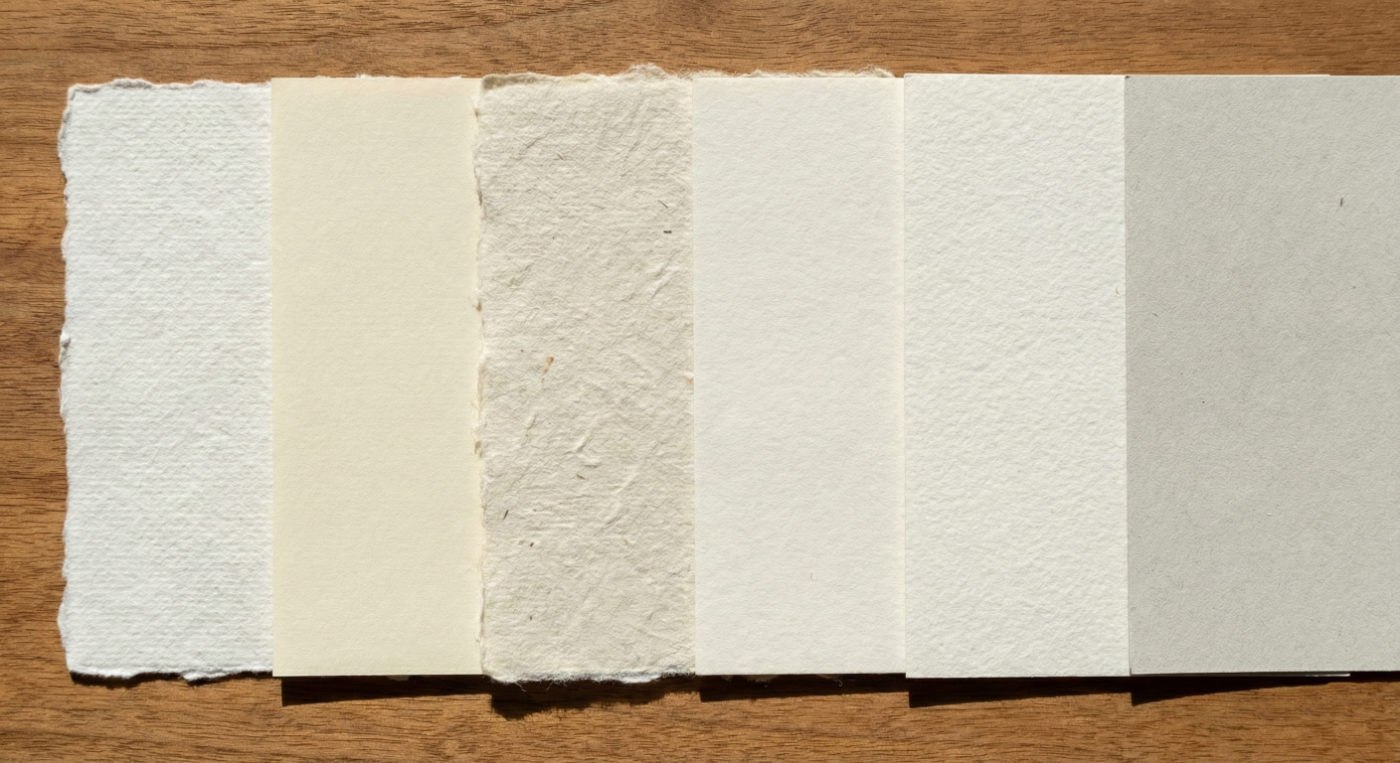
A. 100% Cotton Rag (The Gold Standard)
Made from cotton linters, this paper is naturally acid-free and lignin-free. It has the longest life expectancy and a luxurious, soft texture.
· Best For: Fine art photography, museum monographs, and limited edition “Legacy” books.
B. Purified Alpha-Cellulose
This is made from wood pulp that has been chemically processed to remove all lignin and acids. It offers archival performance nearly identical to cotton but at a more accessible price point.
· Best For: Professional photography books and high-end exhibition catalogs.
C. Buffered vs. Unbuffered
· Buffered Paper: Contains an alkaline reserve (like calcium carbonate) to protect against future acid migration. This is standard for 99% of art books.
· Unbuffered Paper: Specifically used for certain types of photography (like cyanotypes or dye-transfers) that might react negatively to alkalinity.
5. Summary Comparison: Archival vs. Standard Paper
| Feature | Standard Book Paper | Archival Quality Paper |
| Fiber Source | Raw wood pulp | Cotton or Alpha-cellulose |
| pH Level | Acidic (< 7.0) | Alkaline (7.5 – 10.0) |
| Life Expectancy | 20–50 years | 100–500+ years |
| Yellowing | High risk | Highly resistant |
| Best Use | Mass-market paperbacks | Fine art books & portfolios |
6. Protecting Your Investment: Beyond the Paper
Even the best archival paper can be compromised by poor environmental choices. To ensure your book truly lasts:
· Storage: Keep books in a cool, dry place (40-50% relative humidity).
· Ink Choice: At ArtBook Printing, we use high-quality pigment inks that are as stable as the paper they are printed on.
· Acid-Free Adhesives: We use pH-neutral glues in our binding process to prevent acid migration from the spine into the pages.
Conclusion: Why We Choose Archival
At ArtBook Printing, we don’t just print books; we build legacies. Choosing archival quality paper is a statement that your art is worth preserving. It is the difference between a book that is thrown away and a book that is passed down to the next generation.
When you select an archival stock, you are giving your work the structural foundation it needs to tell its story for centuries to come.