

The Green Revolution in Fine Art
For a long time, “eco-friendly” was a term that made art book designers nervous. There was a lingering fear that recycled paper meant grainy textures and that sustainable inks meant faded colors. In 2026, those myths have been thoroughly debunked.
At ArtBook Printing, we’ve seen a massive shift in the industry. Artists today aren’t just concerned with the aesthetic of their work; they are concerned with its footprint. Sustainable printing is no longer a niche compromise—it’s a premium standard. This guide explores how you can produce a museum-quality volume that respects the planet as much as it respects your art.
1. Sustainable Paper: Beyond Standard Recycled
The paper is the foundation of your environmental impact. However, not all green paper is created equal.
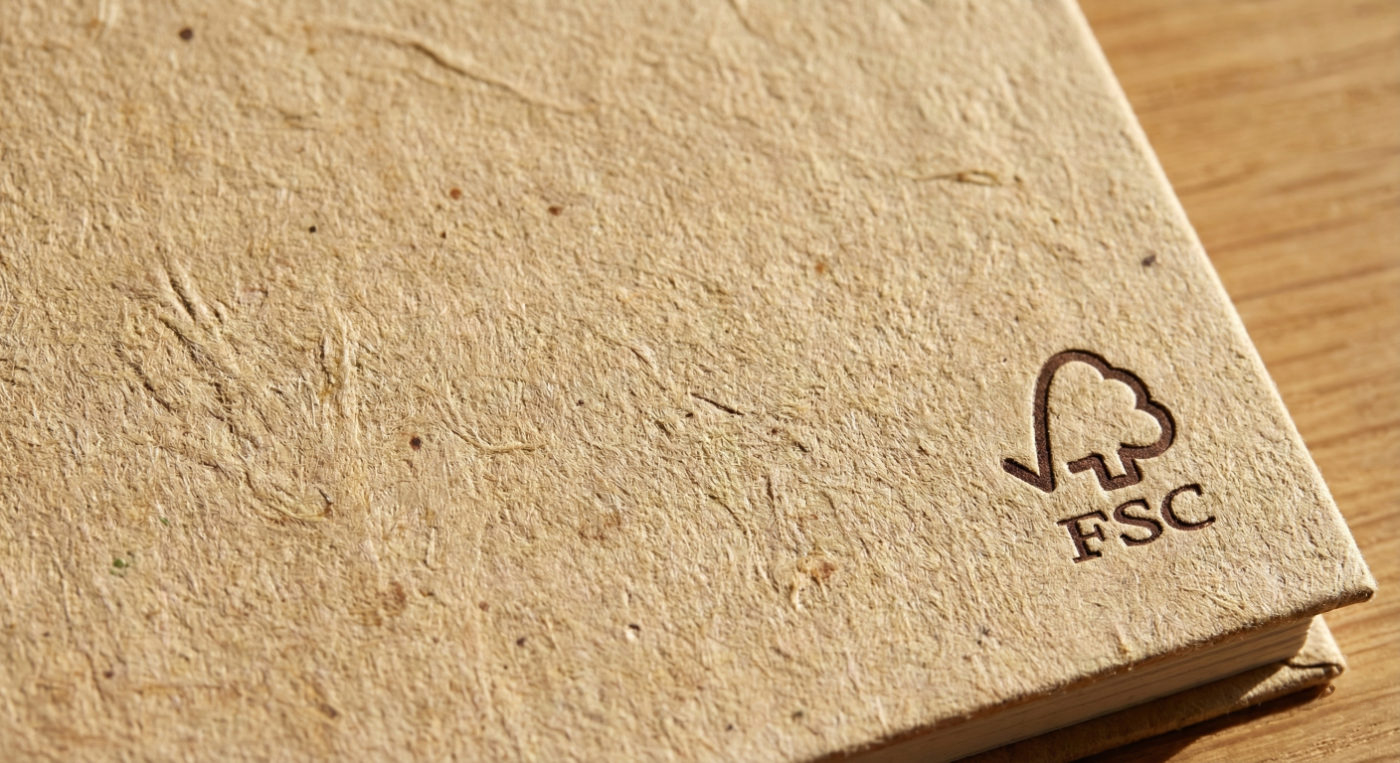
FSC-Certified Paper
The Forest Stewardship Council (FSC) is the gold standard for forest management. When you choose FSC-certified paper, you are ensuring that your book comes from responsibly managed forests that provide environmental, social, and economic benefits.
· The Benefit: You get the same crisp, white, high-fidelity surface as virgin paper, but with the peace of mind that no old-growth forests were harmed.
Alternative Fiber Papers (The 2026 Trend)
Innovation in “tree-free” paper has exploded. These fibers often grow faster than trees and require fewer chemicals to process.
· Bamboo Paper: Offers a unique, slightly warm texture and is incredibly age-resistant.
· Hemp & Agave: These fibers are exceptionally strong, allowing for thinner pages that still feel robust and premium.
· Cotton Rag: Made from post-industrial textile waste, this is the ultimate up-cycled luxury stock for fine art photography.
Post-Consumer Waste (PCW) Recycled
Look for “100% PCW” labels. This means the paper is made entirely from recycled consumer materials (like your junk mail) rather than just industrial scraps. Modern PCW stocks are now available in weights up to 200gsm, perfect for heavy art spreads.
2. High-Pigment Sustainable Inks
Traditional printing inks are petroleum-based and release Volatile Organic Compounds (VOCs) into the atmosphere.
· Soy and Vegetable-Based Inks: These are the most popular sustainable alternatives. Derived from renewable resources like soybeans or linseed oil, they are biodegradable and—most importantly for artists—they often produce more vibrant colors than petroleum inks because they allow for higher pigment density.
· Algae Inks: A cutting-edge innovation for 2026. Algae-based inks are carbon-negative and provide a rich, deep black that is perfect for high-contrast photography.
3. Sustainable Binding and Finishing
The hidden environmental cost of a book often lies in the plastics used for coatings and the chemicals used in glues.
· Plastic-Free Lamination: Instead of traditional plastic-based gloss or matte laminates, opt for Aqueous (water-based) coatings. They provide a protective layer and a beautiful finish while remaining fully recyclable.
· Eco-Friendly Adhesives: Traditional “Hot Melt” glues are petroleum-based. At ArtBook Printing, we recommend PUR binding or water-based glues, which are applied in smaller amounts and pose fewer obstacles during the recycling process.
· Smyth Sewn (The Ultimate Green Binding): Because Smyth-sewn books use thread instead of heavy glues, they are the most environmentally friendly high-end binding. Cotton or linen threads are biodegradable and allow the book to last for centuries.
4. Digital Proofing: Reducing the Carbon Footprint
Every physical proof sent back and forth across the country adds to your project’s carbon footprint.
· The Strategy: Use high-resolution Digital Proofs for your initial layout and text checks. Only request a hard proof for final color verification. This single change can save significant amounts of paper and shipping emissions.
5. Why “Eco-Friendly” is Good for Business
Collectors in 2026 are increasingly looking for ethical luxury. Including a small Sustainability Statement or the FSC logo on your copyright page does more than help the planet—it helps your brand.
· Marketability: Many independent bookstores and museum shops prioritize books that align with their environmental values.
· Collectibility: High-quality, acid-free sustainable papers often have better longevity than cheap, mass-market stocks, making your book a more stable investment for collectors.
Art That Lasts, A Planet That Thrives
Choosing eco-friendly art book printing is a statement that your work is meant to exist in harmony with the world. It is a commitment to quality that doesn’t come at the cost of our natural resources. At ArtBook Printing, we believe that the most beautiful art books are the ones that leave the lightest footprint.