

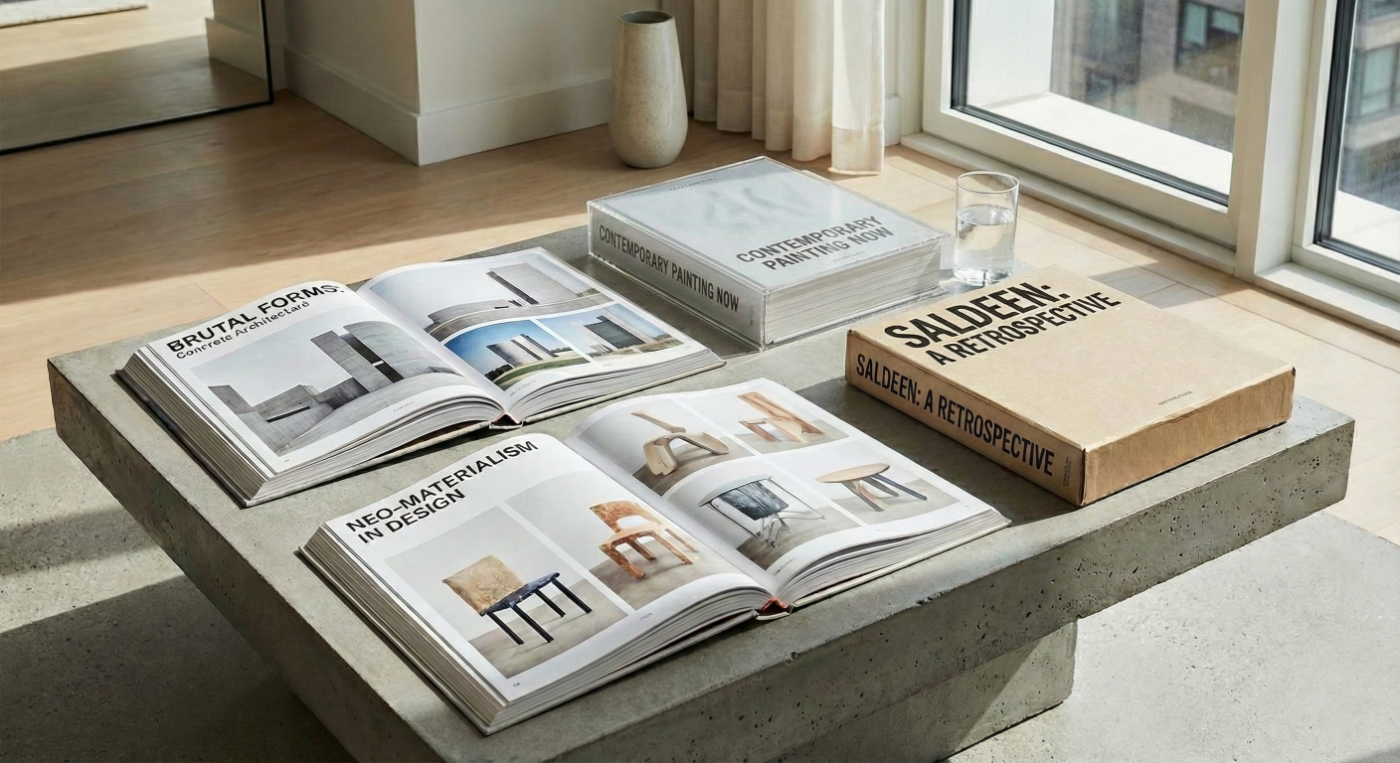
Introduction: The Shift from “Consumption” to “Collection”
For decades, the goal of many artists was to get their work into as many hands as possible. But in an era of digital saturation and endless scrolling, the tide has turned. Collectors no longer want what everyone else has; they want what is rare, tactile, and finite.
Limited edition art books have emerged as one of the fastest-growing segments of the art market. In 2025 and 2026, these volumes are no longer seen as mere merchandise but as secondary market assets and physical artifacts of an artist’s legacy. At ArtBook Printing, we’ve seen a surge in creators moving away from open editions in favor of bespoke, numbered runs. Here is why the limited edition is currently the crown jewel of the artist’s library.
1. The Power of Scarcity and “FOMO”
At the heart of every collection is the psychological trigger of scarcity. When an edition is capped—whether it’s 50, 100, or 500 copies—it creates an immediate sense of urgency.
· Fear of Missing Out (FOMO): Knowing that a book will never be reprinted drives pre-orders and early-bird sales. For the collector, the value lies in being part of an exclusive circle that owns a piece of history that is no longer “available.”
· Perceived Value: Human psychology dictates that the harder something is to acquire, the more we value it. A limited edition isn’t just a book; it’s a victory in a competitive marketplace.
2. The Investment Potential: Books as Assets
While most books depreciate the moment they are bought, rare art books often do the opposite. Many collectors now view high-end art books as a more accessible entry point into art investment than original paintings or sculptures.
· Secondary Market Value: On platforms like eBay, AbeBooks, and specialized auction houses, out-of-print art books from popular creators often sell for 5x to 10x their original retail price.
· Provenance and Rarity: Collectors look for specific markers of value: first printings, unique numbering (e.g., “15/100”), and the artist’s signature. These elements provide a “paper trail” that guarantees the item’s future worth.
3. Tactile Luxury: The New Status Symbol
As we move further into 2026, the trend of Tactile Maximalism is taking hold. Collectors are increasingly drawn to books that offer a sensory experience that digital screens cannot replicate.
· Specialized Materials: Limited editions often feature materials that are too expensive for mass production, such as:
o Hand-bound leather or linen covers.
o French flaps and slipcases that protect the volume.
o Gilded or sprayed edges that add a flash of color to the shelf.
· Paper as Art: High-weight, archival stocks like 170gsm silk or textured Munken paper provide a “hand-feel” that elevates the act of reading into a ritual.
4. Direct Connection: Signed and Numbered Editions
A limited edition creates a bridge between the artist’s studio and the collector’s home.
· The Signature: A hand-signed copy transforms a mass-produced item into a personal gift from the creator.
· Tipped-In Plates: Many limited editions include a tipped-in sheet—a separate piece of paper containing the artist’s signature or a small original sketch—that is glued into the book during the binding process.
· Certificates of Authenticity (COA): Providing a physical certificate with the book adds a layer of professional legitimacy that collectors of high-end art expect.
5. Technological Integration (The 2026 Trend)
One of the most exciting reasons for the rise in popularity is the blending of traditional craft with new technology.
· AR Features: Many modern limited editions now feature Augmented Reality triggers. A collector can hover their phone over a page and see a hidden video of the artist at work, making the physical book a “key” to a secret digital vault.
· NFC Tags: Some high-end publishers are embedding NFC (Near Field Communication) chips in the binding to verify authenticity and prevent counterfeiting in the secondary market.
6. Summary: Why Limited Editions Win
| Feature | Open Edition | Limited Edition |
| Availability | Unlimited (can be reprinted) | Fixed (once sold out, it’s gone) |
| Retail Price | $25 – $55 | $100 – $500+ |
| Investment | Low appreciation potential | High appreciation potential |
| Production | Standard materials | Premium/Custom materials |
| Connection | General Audience | Inner Circle / Collectors |
Building a Legacy in Ink
Collectors are looking for more than information; they are looking for connection, craft, and permanence. A limited-edition art book fulfills all three. For artists, it is a way to fund their practice while offering their most loyal fans something truly extraordinary.At ArtBook Printing, we specialize in the small-run excellence required for these projects. From custom slipcases to precise color calibration, we help you create a volume that doesn’t just sit on a shelf—it commands it.